 ★ 8.1
Soap2DayX2
Here every film comes in a pair. This guide gathers 81 first films and the sequels that followed them, 162 films in all, on twelve shelves: superheroes of Marvel Studios and beyond; space, fantasy and adventure sagas; action heroes, spies and fighters; ghosts, demons and slashers; and the comedies and cartoons that came back for a second round, with synopses, cast and where to watch.
Double bill
Marvel Studios doublesMarvel Studios doubles
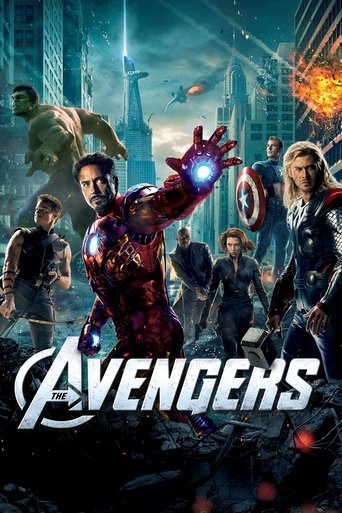
View all (14)★ 8.1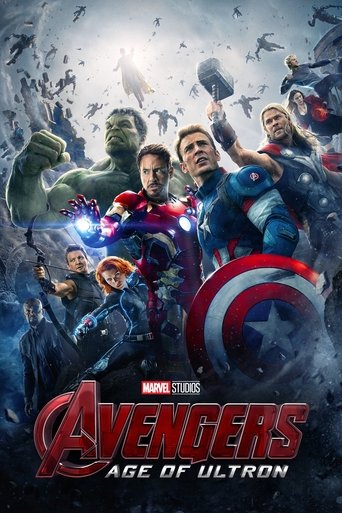 ★ 7.3
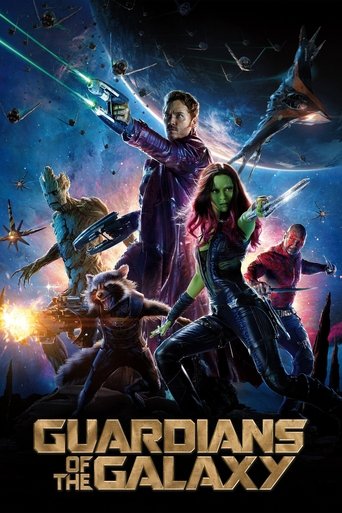 ★ 7.9
 ★ 7.6
 ★ 7.7
 ★ 6.9
 ★ 7.0
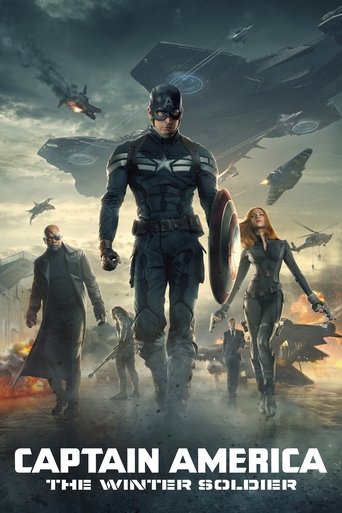 ★ 7.7
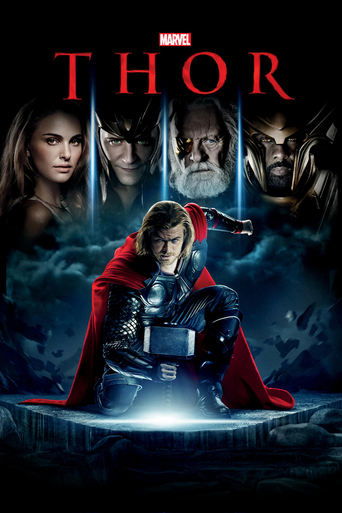 ★ 6.8
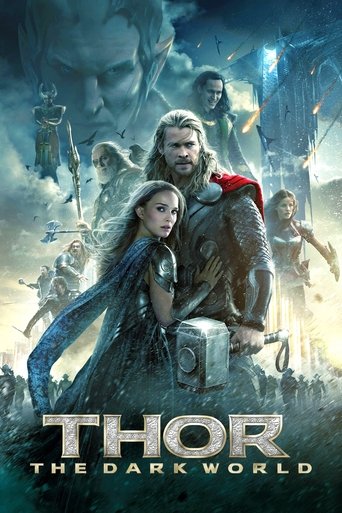 ★ 6.5
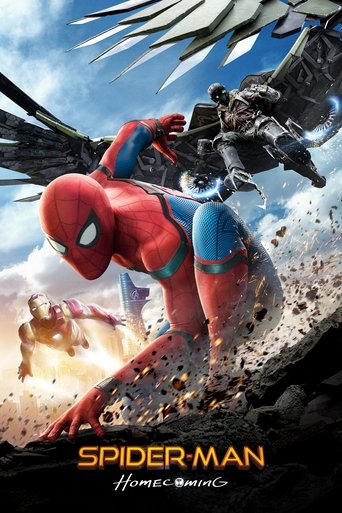 ★ 7.3
 ★ 7.4
More heroes in capesMore heroes in capes
View all (14)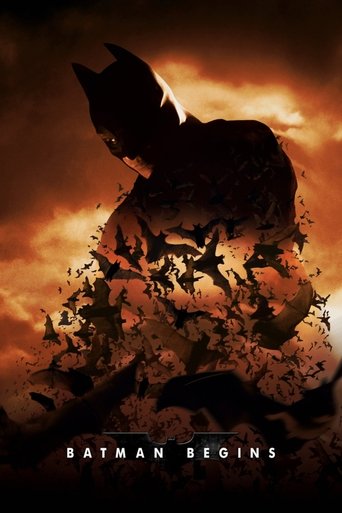 ★ 7.7
 ★ 8.5
 ★ 7.6
 ★ 7.5
 ★ 7.4
 ★ 7.3
 ★ 7.0
 ★ 7.0
 ★ 7.2
 ★ 6.8
 ★ 7.2
 ★ 7.0
Space and the futureSpace and the future
View all (14)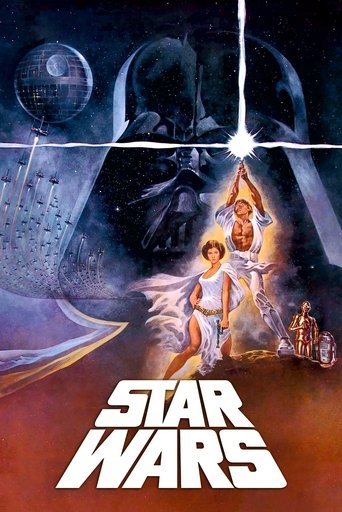 ★ 8.2
 ★ 8.4
 ★ 8.2
 ★ 8.0
 ★ 7.7
 ★ 8.2
 ★ 8.3
 ★ 7.1
 ★ 7.8
 ★ 8.1
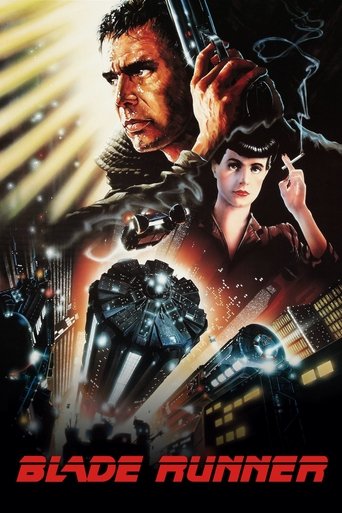 ★ 7.9
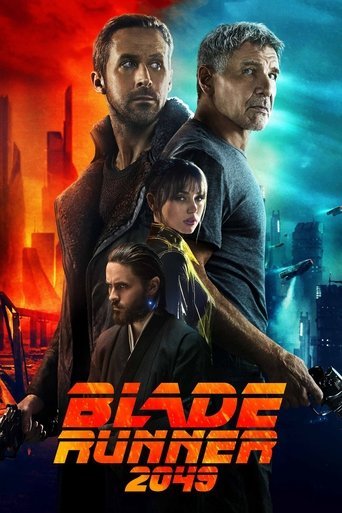 ★ 7.6
Fantasy sagasFantasy sagas
View all (14)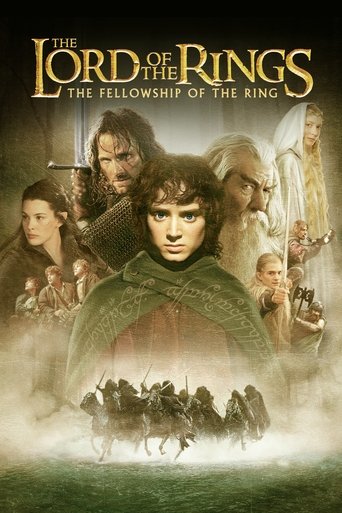 ★ 8.4
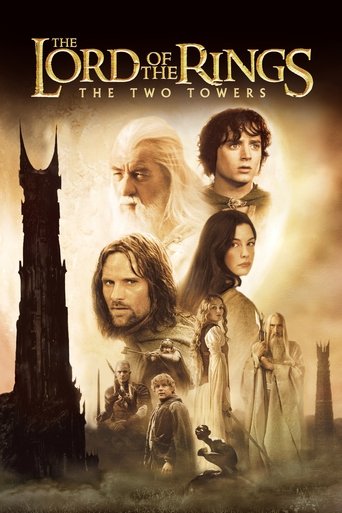 ★ 8.4
 ★ 7.9
 ★ 7.7
 ★ 7.4
 ★ 7.6
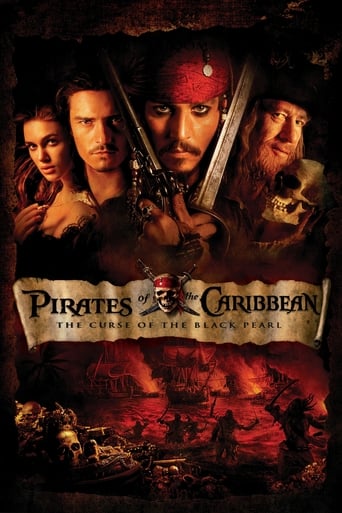 ★ 7.8
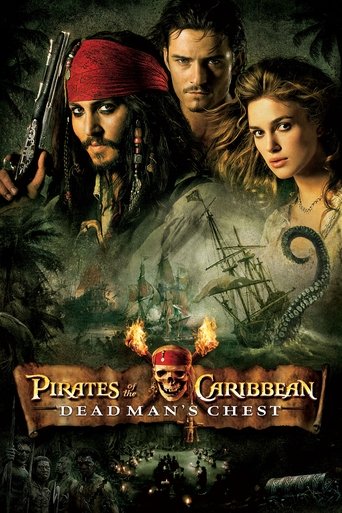 ★ 7.4
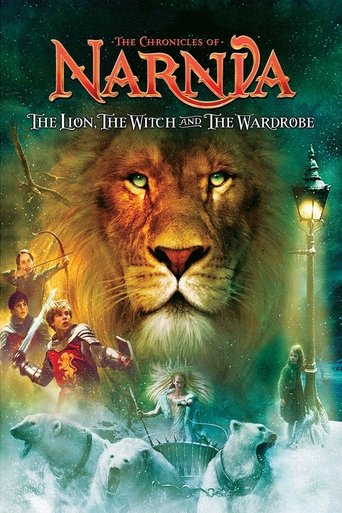 ★ 7.1
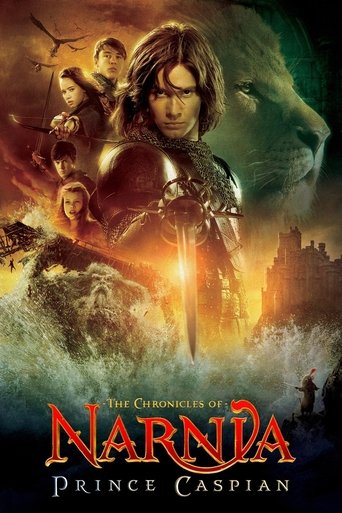 ★ 6.6
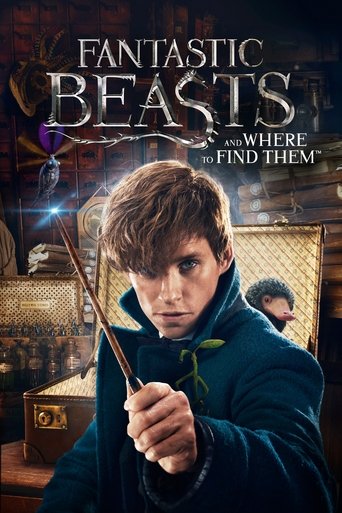 ★ 7.3
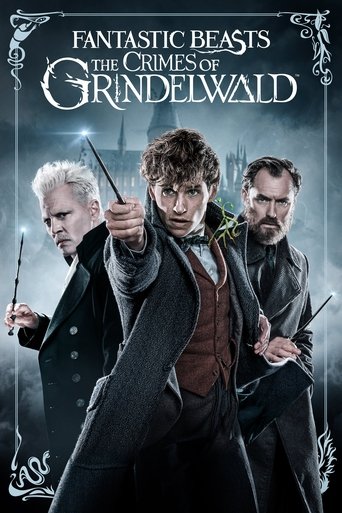 ★ 6.8
Adventures and thrill ridesAdventures and thrill rides
View all (12)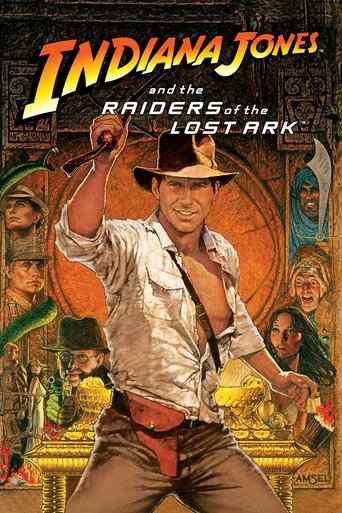 ★ 7.9
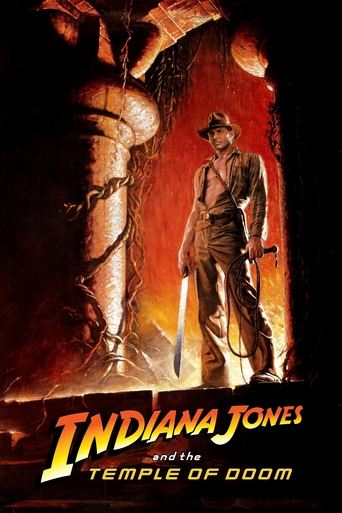 ★ 7.3
 ★ 8.0
 ★ 6.6
 ★ 8.3
 ★ 7.8
 ★ 7.2
 ★ 6.8
 ★ 6.7
 ★ 6.4
 ★ 6.6
 ★ 6.8
Action heroesAction heroes
View all (14) ★ 7.8
 ★ 7.0
 ★ 7.5
 ★ 7.3
 ★ 7.3
 ★ 7.1
 ★ 7.5
 ★ 6.7
 ★ 6.7
 ★ 7.4
 ★ 7.1
 ★ 8.2
Spies, heists and assassinsSpies, heists and assassins
View all (12)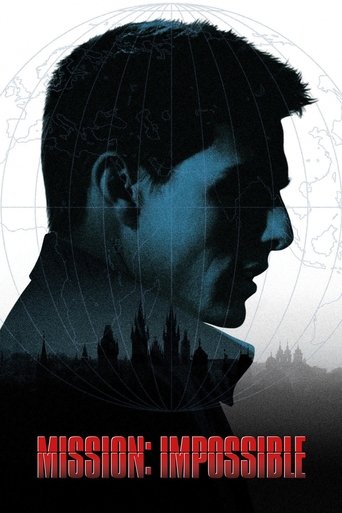 ★ 7.0
 ★ 6.1
 ★ 7.5
 ★ 7.3
 ★ 7.0
 ★ 7.1
 ★ 7.6
 ★ 6.9
 ★ 7.5
 ★ 6.6
 ★ 8.0
 ★ 7.9
Fighters and championsFighters and champions
View all (12) ★ 7.8
 ★ 7.3
 ★ 7.4
 ★ 7.0
 ★ 7.2
 ★ 6.4
 ★ 7.8
 ★ 7.5
 ★ 7.4
 ★ 7.6
 ★ 8.2
 ★ 6.6
Ghosts and demonsGhosts and demons
View all (14)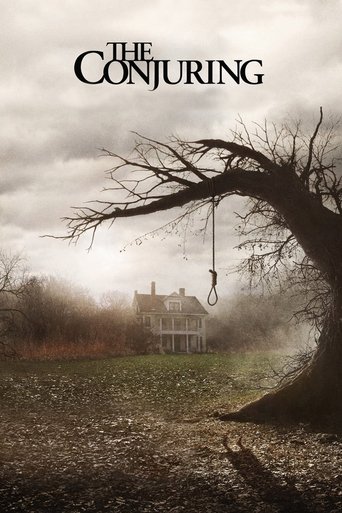 ★ 7.5
 ★ 7.3
 ★ 7.0
 ★ 6.7
 ★ 7.7
 ★ 4.5
 ★ 7.2
 ★ 6.8
 ★ 8.2
 ★ 7.1
 ★ 7.3
 ★ 7.5
Slashers and survivorsSlashers and survivors
View all (14)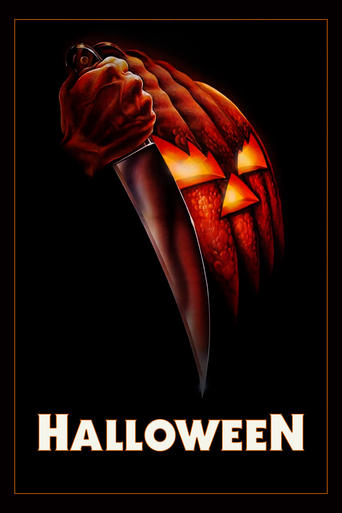 ★ 7.6
 ★ 6.6
 ★ 7.4
 ★ 6.5
 ★ 7.4
 ★ 6.6
 ★ 7.4
 ★ 5.8
 ★ 6.6
 ★ 6.3
 ★ 7.2
 ★ 6.6
Comedy doublesComedy doubles
View all (14)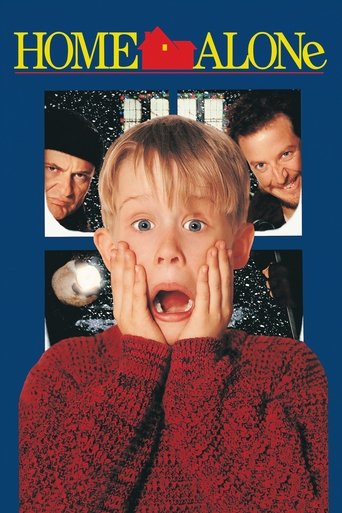 ★ 7.5
 ★ 6.8
 ★ 7.5
 ★ 6.6
 ★ 7.3
 ★ 6.5
 ★ 7.3
 ★ 6.9
 ★ 7.3
 ★ 6.1
 ★ 7.3
 ★ 6.8
Animated doublesAnimated doubles
View all (14)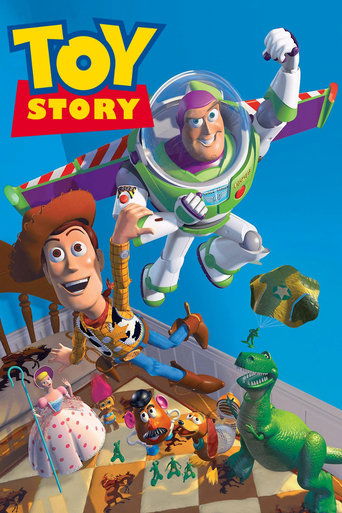 ★ 8.0
 ★ 7.6
 ★ 7.8
 ★ 7.3
 ★ 7.7
 ★ 7.5
 ★ 7.9
 ★ 7.5
 ★ 8.4
 ★ 8.3
 ★ 7.9
 ★ 7.7
The Soap2DayX2 guide
Soap2DayX2: double features, every first film with its sequel
The second time around
The sequel is the oldest promise of popular cinema: if you liked the first one, there will be another. Some sequels have become more famous than the films they follow, like The Empire Strikes Back, Terminator 2 or The Dark Knight; others are remembered mostly as a warning, like Exorcist II: The Heretic, which few people defend even today. Between those two extremes lie dozens of second films that simply did what the audience asked, more of the same characters and the same world, with a bigger budget and a new villain. This guide puts them side by side.
Soap2DayX2 reads the X2 in its name as a double feature. It gathers 81 first films and the sequels that followed them, 162 films in all, from the first two James Bond films, of 1962 and 1963, to Inside Out 2, Twisters and Gladiator II, of 2024. Each pair sits on one of twelve shelves, and the first film always comes before its sequel, so that every shelf reads as a series of double bills. Each film has its English synopsis, its cast and director, and a Watch now button that opens it on JustWatch, where you can see the services that offer it in your country. The guide Start with Soap2DayX2 picks one pair from each family, and the guide How the doubles work explains how the pairs were chosen.
The twelve shelves are grouped in five families. Capes holds the superheroes, those of Marvel Studios and those of other houses. Big worlds holds the great sagas of space, of fantasy and of adventure. Action holds the action heroes, the spies, thieves and assassins, and the fighters. Fear holds the ghosts and demons and the slashers. And Laughs holds the comedies and the animated films. Together the 162 films carry about two million votes on TMDB, with an average rating of 7.28; the most voted is The Avengers, with about 40,000 votes, and the best rated is The Dark Knight, with an 8.5, a sequel.
The sequel test
The guide puts every pair to the same simple test: which of the two films does the audience of TMDB rate higher? The answer is clear. In 61 of the 81 pairs, the first film wins; in four, the two films share exactly the same rating, and in only sixteen does the sequel come out ahead. On average the first films are rated 7.47 and the sequels 7.10, a gap of more than a third of a point. The collection Sequels that beat the original gathers the sixteen pairs in which the sequel wins, and the guide The sequel test lists every result.
The sixteen winners are a varied group. The biggest win belongs to Puss in Boots: The Last Wish, of 2022, with an 8.2 against the 6.6 of the first Puss in Boots, eleven years earlier; the second is Top Gun: Maverick, of 2022, with an 8.2 against the 7.1 of Top Gun, 36 years before. Then come The Dark Knight over Batman Begins, Annabelle: Creation over Annabelle, Mad Max 2 over Mad Max and Captain America: The Winter Soldier over Captain America: The First Avenger, each by seven or eight tenths, and Terminator 2: Judgment Day over The Terminator, by half a point. The smaller wins include Dune: Part Two, The Empire Strikes Back, Evil Dead II, The Raid 2, The Hobbit: The Desolation of Smaug, Twisters, Spider-Man: Far From Home, Hellboy II: The Golden Army and From Russia with Love. The four ties are A Quiet Place and its Part II, X-Men and X2, the two first films of The Lord of the Rings and the two Spider-Verse films, each pair rated exactly alike.
The biggest losses are as instructive. Exorcist II: The Heretic, of 1977, rated 4.5, falls 3.2 points below The Exorcist, the largest gap of the guide; A Nightmare on Elm Street Part 2: Freddy's Revenge and Gladiator II fall 1.6 points below their originals, The Lost World: Jurassic Park 1.4 points below Jurassic Park, and The Matrix Reloaded and Airplane II: The Sequel 1.2 points below theirs. A sequel that changes too little feels like a copy; one that changes too much feels like a betrayal, and the few that win usually find a new angle on the same world: a darker tone, a bigger canvas, or a hero seen at a new age.
The site of 2024
The Wayback Machine keeps copies of soap2dayx2.to from June to August 2024, among them the landing page and the Movies listing; the other endings of the name, soap2dayx2.net and soap2dayx2.org, hold only expired-domain pages of 2025. The capture of July 2024 shows a theme shared by a large family of streaming sites of the time. The page is pure black. A near-black header runs across the top with a hairline green rule beneath it, with the menu in white capitals, Genre, Country, Movies, TV Shows, Trending and Top IMDb, and a search icon on the right. Below come a row of rounded dark fields to filter the list, a green Filter button, and a grid of posters with rounded corners, each with a small mint badge for the quality, the title in grey beneath it and a short line with the year, the running time and the type. On the right, a Suggestions column lists more films, each under a mint label such as Movie / 7.
This guide keeps that look: the black page, the near-black header with its green rule, the mint headings, the green buttons, the dark rounded fields and the rounded posters, with the year in a green badge, the rating in a mint one and, in a dark band at the bottom of each poster, the words First film or Sequel. The Suggestions column becomes the Double bill, the board of the twelve shelves, each under a mint label with the name of its family and its number, like the labels of the old column. Behind every poster there is a full page with the synopsis, the cast and the Watch now button, which opens JustWatch. The guide The site of 2024 describes the capture; only its look was measured, and the guide uses its own data and images from TMDB.
How the doubles work
Every pair of the guide comes from a collection of TMDB, the database that groups the films of a series. The guide began with the 1,500 most voted films on TMDB, looked up the collections they belong to and took, in each collection, the first two films by date of release: the original and the first sequel to follow it. The pairs were then chosen by hand, about 80 of them, so that each shelf holds six or seven of the best known double bills of its genre. Because the pairs follow the order of release, a few of them join films made decades apart, like The Shining, of 1980, and Doctor Sleep, of 2019, from the novel in which Stephen King followed Danny Torrance into adult life.
Each shelf lists its pairs by the votes of the first film, and inside each pair the first film comes first; the card of each poster says First film or Sequel, with the year. The guide counts the rating of TMDB rounded to one decimal, and a sequel wins the test only when its rounded rating is higher than that of the first film. The guide How the doubles work sums up the rules.
Capes
The first family, Capes, gathers fourteen pairs of superhero films, 28 films in all, with about 544,000 votes and an average of 7.29. It is the genre that has lived on sequels more than any other in the 21st century: a hero is introduced in one film, tested in the second and brought together with the others in the third, and the audience follows every step. The guide Capes sums up the family.
Marvel Studios doubles
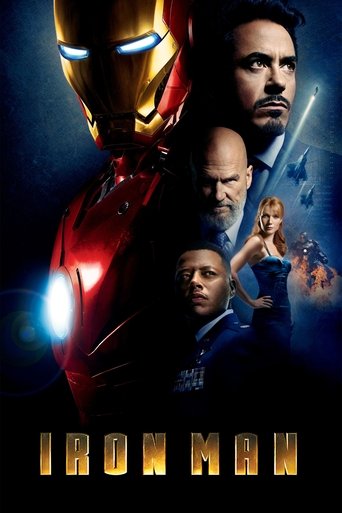
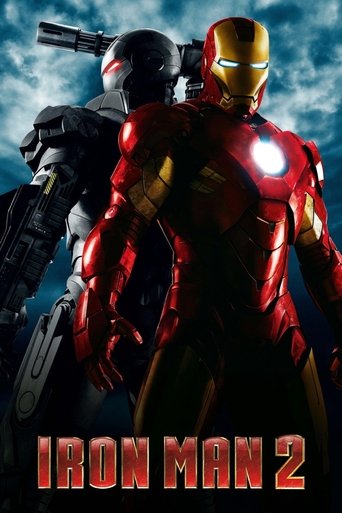
The shelf Marvel Studios doubles holds seven pairs from 2008 to 2022, and with about 331,000 votes it is the most voted shelf of the guide. It begins with the film that started the whole universe, Iron Man, of 2008, by Jon Favreau, with Robert Downey Jr. as Tony Stark, rated 7.7, followed by Iron Man 2, of 2010, rated 6.9. Its most voted pair is The Avengers, of 2012, by Joss Whedon, the first film to bring the heroes together, rated 8.1 and with about 40,000 votes the most voted film of the whole guide, and Avengers: Age of Ultron, of 2015, rated 7.3. Robert Downey Jr. appears in five films of the guide, the four of Iron Man and the Avengers and Spider-Man: Homecoming.
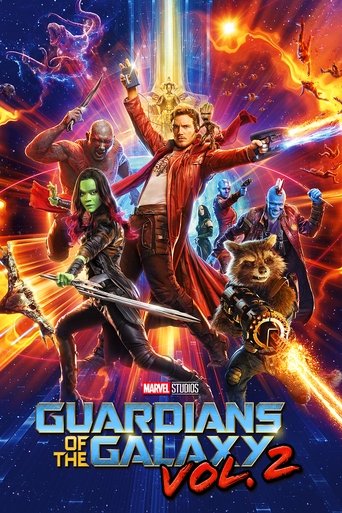
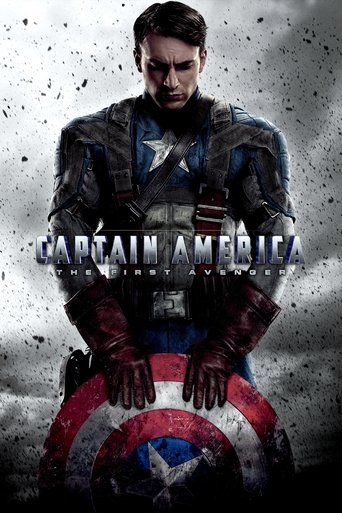
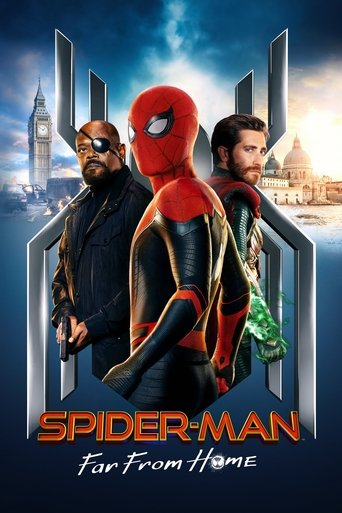
The shelf holds one of the clearest wins of a sequel: Captain America: The First Avenger, of 2011, by Joe Johnston, a war adventure set in the 1940s rated 7.0, is beaten by Captain America: The Winter Soldier, of 2014, the first Marvel film of the brothers Anthony and Joe Russo, a political thriller rated 7.7. The cosmic pairs are Guardians of the Galaxy, of 2014, by James Gunn, rated 7.9, and its Vol. 2, of 2017, rated 7.6, with Chris Pratt and Zoe Saldaña, and Thor, of 2011, by Kenneth Branagh, and Thor: The Dark World, of 2013, the lowest rated film of the shelf, with a 6.5. The newest pairs are the two Spider-Man films of Jon Watts with Tom Holland, Spider-Man: Homecoming, of 2017, and Spider-Man: Far From Home, of 2019, a rare small win for the sequel, and the two films of Ryan Coogler in Wakanda: Black Panther, of 2018, with Chadwick Boseman, rated 7.4, and Black Panther: Wakanda Forever, of 2022, made after the death of its star in 2020, with Letitia Wright as his sister Shuri; at 162 minutes it is the longest film of the shelf.
More heroes in capes
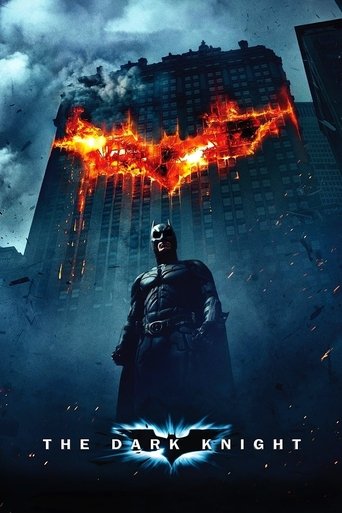
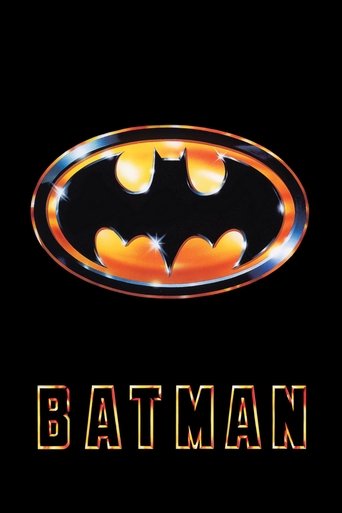
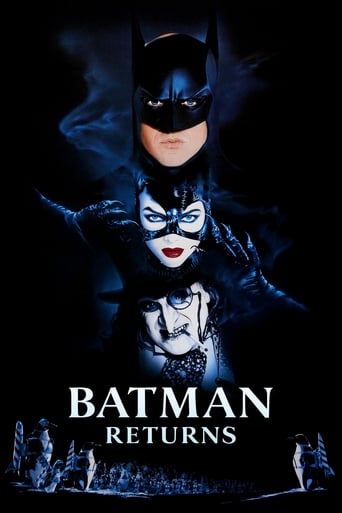
The shelf More heroes in capes holds seven pairs from 1978 to 2018 made outside Marvel Studios, and it holds the best rated film of the guide. Batman Begins, of 2005, by Christopher Nolan, with Christian Bale, rated 7.7, told the origin of the hero in a realistic Gotham; The Dark Knight, of 2008, its sequel, rated 8.5, set him against the Joker of Heath Ledger, who won a posthumous Academy Award for the role, and with about 37,000 votes it is the second most voted film of the guide. The first Batman of the modern cinema is here too: Batman, of 1989, by Tim Burton, with Michael Keaton and Jack Nicholson as the Joker, and Batman Returns, of 1992, with Danny DeVito as the Penguin and Michelle Pfeiffer as Catwoman. Keaton returns on the other shelf of the family as the villain of Spider-Man: Homecoming.
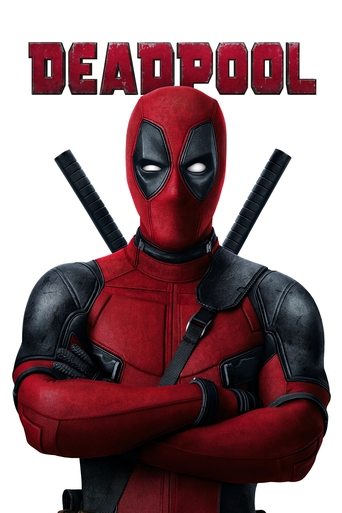
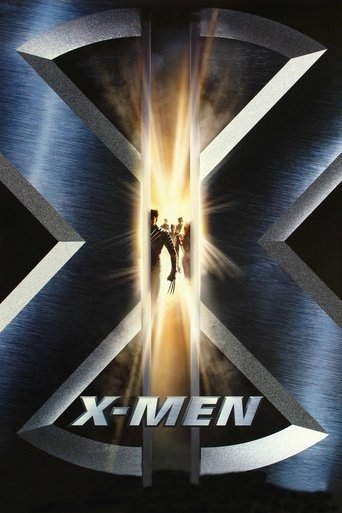
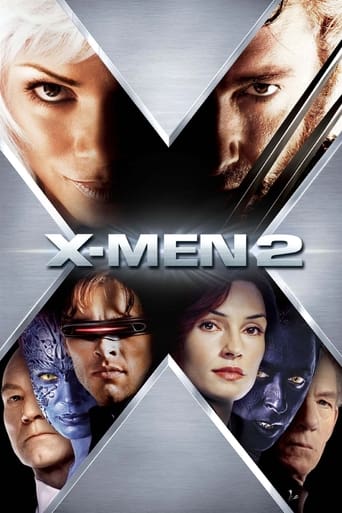
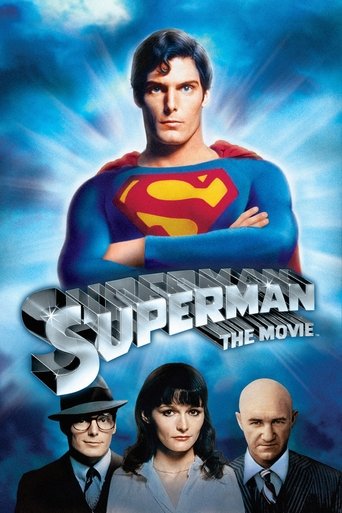
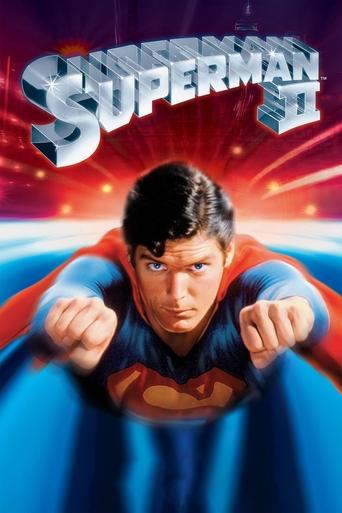
The other pairs follow the great heroes of the comics from film to film. Superman, of 1978, by Richard Donner, with Christopher Reeve, made audiences believe a man could fly, and Superman II, of 1980, finished by Richard Lester after Donner was replaced during the production, set him against three Kryptonian villains. Spider-Man, of 2002, by Sam Raimi, with Tobey Maguire, rated 7.4, and Spider-Man 2, of 2004, rated 7.3, with Alfred Molina as Doctor Octopus, are often counted among the best superhero films before the age of Marvel Studios, and X-Men, of 2000, by Bryan Singer, with Hugh Jackman as Wolverine and Patrick Stewart and Ian McKellen as the two old friends who lead the mutants, ties with its sequel X2, of 2003, at 7.0. Deadpool, of 2016, with Ryan Reynolds as the foul-mouthed mercenary who talks to the audience, rated 7.6, and Deadpool 2, of 2018, rated 7.5, are the comic pair of the shelf, and Hellboy, of 2004, by Guillermo del Toro, with Ron Perlman, and Hellboy II: The Golden Army, of 2008, its slightly better rated sequel, close it.
Big worlds
The second family, Big worlds, gathers twenty pairs of the great sagas, 40 films in all, with about 608,000 votes, the most voted family of the guide, and an average of 7.51, the best of the five. These are the films that build a whole universe, a galaxy, a Middle-earth or a school of wizards, and the sequel is where that universe opens up. The guide Big worlds sums up the family.
Space and the future
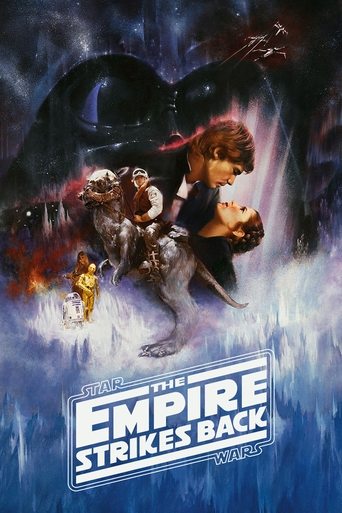
The shelf Space and the future holds seven pairs from 1977 to 2024, and it is the best rated shelf of the guide, with an average of 7.87 and seven films rated 8 or more. It begins with Star Wars, of 1977, by George Lucas, rated 8.2, and The Empire Strikes Back, of 1980, by Irvin Kershner, rated 8.4, the sequel that gave the saga its darkest twist and that many fans still consider the best film of the series. Harrison Ford is in both, and in the two Blade Runner films of the same shelf and the first two Indiana Jones films of the next, six films of the guide in all, level with Ian McKellen and Sylvester Stallone as the most frequent actors of the guide.
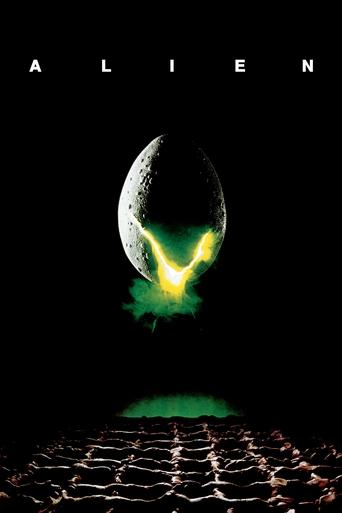
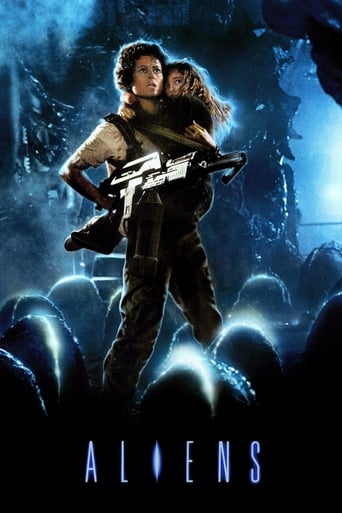
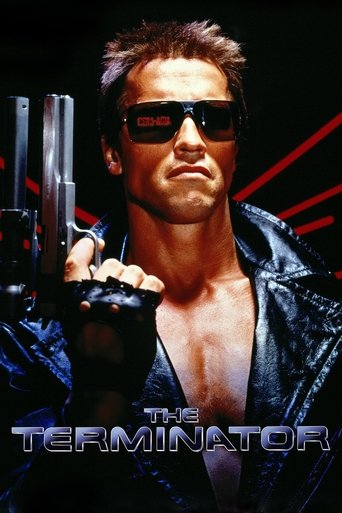
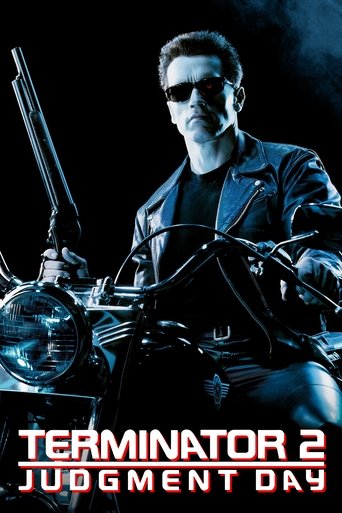
The science fiction of the 1980s gave the shelf two of the most famous sequels ever made, both by James Cameron. Alien, of 1979, by Ridley Scott, rated 8.2, was a horror film in space, a crew hunted by a single creature; Aliens, of 1986, by Cameron, rated 8.0, turned it into a war film with a squad of marines, with Sigourney Weaver as Ripley in both. The Terminator, of 1984, rated 7.7, was a small, tense thriller about a killer robot sent back in time; Terminator 2: Judgment Day, of 1991, rated 8.2, made the same robot, Arnold Schwarzenegger, a protector, with effects that changed the cinema. A much longer wait separates Blade Runner, of 1982, by Ridley Scott, from Blade Runner 2049, of 2017, by Denis Villeneuve, made 35 years later with Ryan Gosling and Harrison Ford.
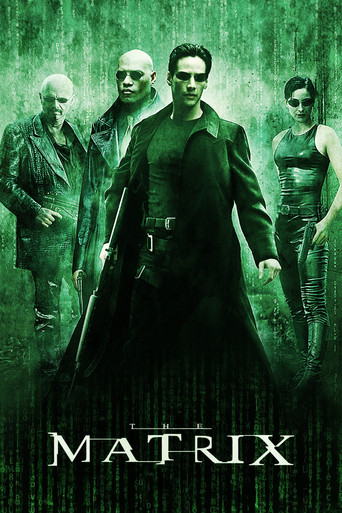
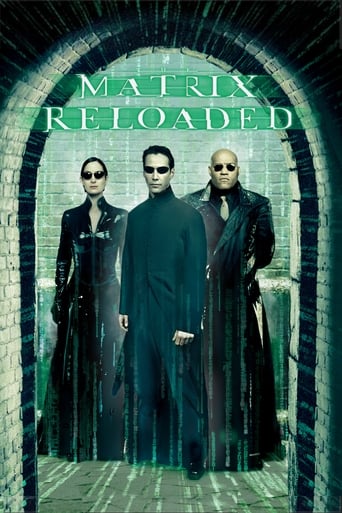
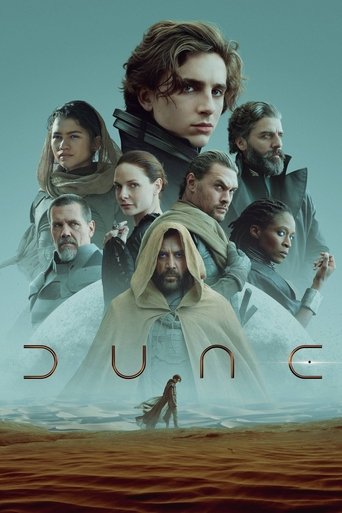
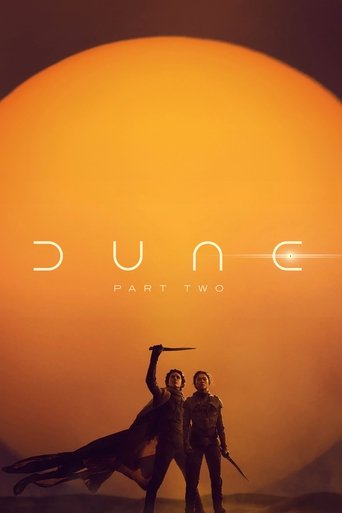
Villeneuve also made the newest pair of the shelf, Dune, of 2021, rated 7.8, and Dune: Part Two, of 2024, rated 8.1, with Timothée Chalamet and Zendaya, two halves of the same novel of Frank Herbert; at 167 minutes the second is the longest film of the shelf. The Matrix, of 1999, by the Wachowskis, with Keanu Reeves, rated 8.3, and The Matrix Reloaded, of 2003, rated 7.1, show the opposite path, a revolution followed by a sequel that divided its audience, and Star Trek, of 2009, by J.J. Abrams, with Chris Pine and Zachary Quinto, and Star Trek Into Darkness, of 2013, close the shelf with a reboot of the crew of the Enterprise.
Fantasy sagas
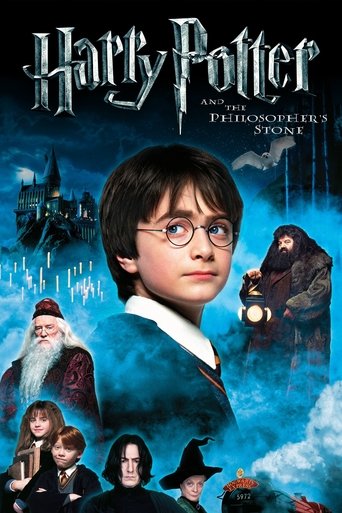
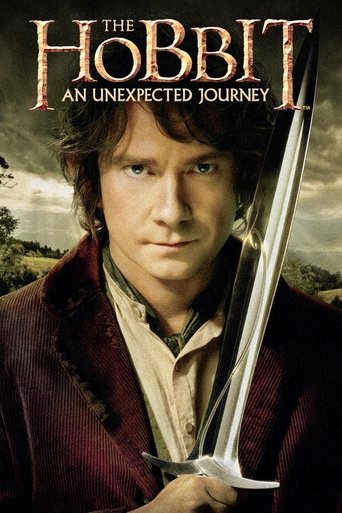
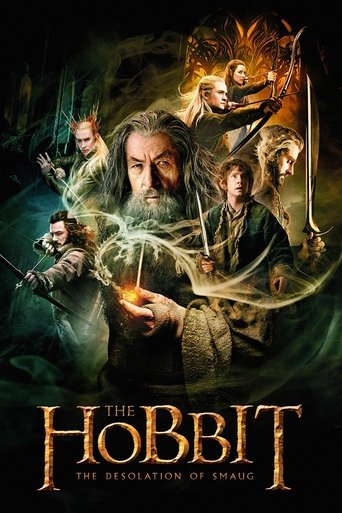
The shelf Fantasy sagas holds seven pairs from 1999 to 2018, with about 253,000 votes. Its best rated films are the first two films of The Lord of the Rings by Peter Jackson, The Lord of the Rings: The Fellowship of the Ring, of 2001, and The Lord of the Rings: The Two Towers, of 2002, both rated 8.4 and both 179 minutes long, the longest films of the guide; they were shot together in New Zealand, with Elijah Wood as Frodo and Ian McKellen as Gandalf. Jackson returned to Middle-earth a decade later with The Hobbit: An Unexpected Journey, of 2012, rated 7.4, and The Hobbit: The Desolation of Smaug, of 2013, rated 7.6, a small win for the sequel, with Martin Freeman as Bilbo and McKellen again as Gandalf.
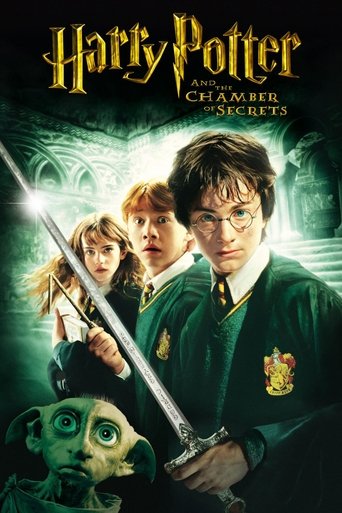
The school of wizards of J. K. Rowling fills two pairs of the shelf: Harry Potter and the Philosopher's Stone, of 2001, and Harry Potter and the Chamber of Secrets, of 2002, both by Chris Columbus, with Daniel Radcliffe, Rupert Grint and Emma Watson, rated 7.9 and 7.7, and the prequel series of the 1920s, Fantastic Beasts and Where to Find Them, of 2016, and Fantastic Beasts: The Crimes of Grindelwald, of 2018, both by David Yates, with Eddie Redmayne. Pirates of the Caribbean: The Curse of the Black Pearl, of 2003, by Gore Verbinski, with Johnny Depp as Jack Sparrow, rated 7.8, and Dead Man's Chest, of 2006, rated 7.4; The Chronicles of Narnia: The Lion, the Witch and the Wardrobe, of 2005, and The Chronicles of Narnia: Prince Caspian, of 2008, both by Andrew Adamson, and The Mummy, of 1999, with Brendan Fraser and Rachel Weisz, and The Mummy Returns, of 2001, both by Stephen Sommers, complete the shelf.
Adventures and thrill rides
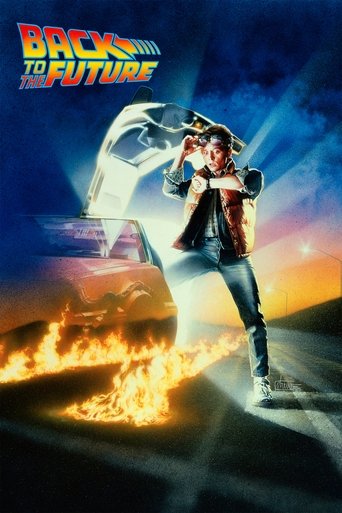
The shelf Adventures and thrill rides holds six pairs from 1981 to 2024, and four of its twelve films were directed by Steven Spielberg. Raiders of the Lost Ark, of 1981, with Harrison Ford as Indiana Jones, rated 7.9, and Indiana Jones and the Temple of Doom, of 1984, rated 7.3, a sequel set a year before the first film; Jurassic Park, of 1993, rated 8.0, and The Lost World: Jurassic Park, of 1997, rated 6.6, with Jeff Goldblum back as the mathematician Ian Malcolm. Back to the Future, of 1985, by Robert Zemeckis, with Michael J. Fox and Christopher Lloyd, rated 8.3, the best rated film of the shelf, and Back to the Future Part II, of 1989, which sends Marty to the future of 2015, rated 7.8.
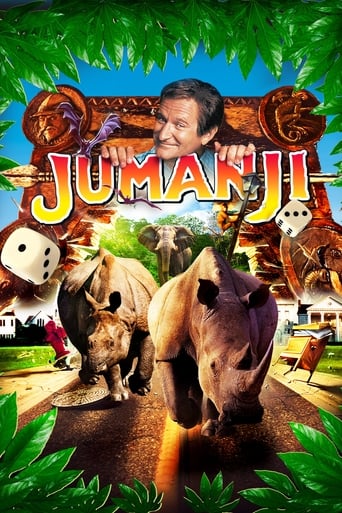
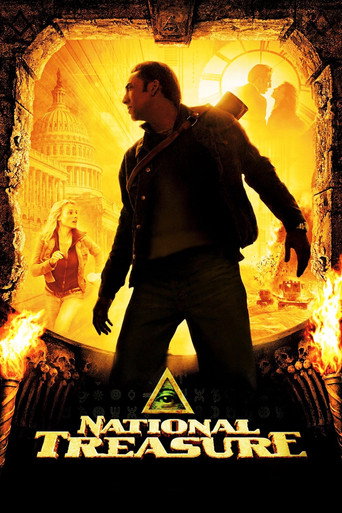
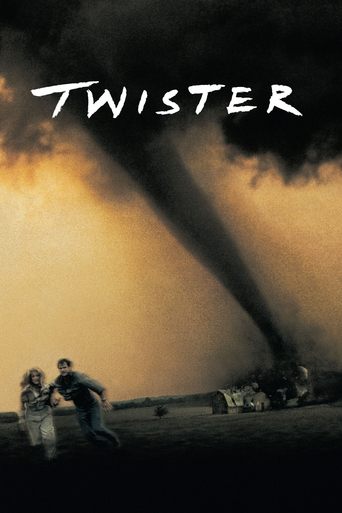
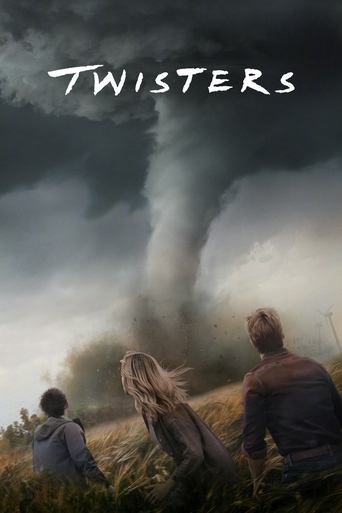
Two pairs of the shelf are separated by a generation. Jumanji, of 1995, with Robin Williams as a man trapped for decades inside a board game, rated 7.2, was followed 22 years later by Jumanji: Welcome to the Jungle, of 2017, with Dwayne Johnson and Kevin Hart, in which the game becomes a video game; it has more votes than the original. Twister, of 1996, by Jan de Bont, with Helen Hunt and Bill Paxton as storm chasers, was followed 28 years later by Twisters, of 2024, with Daisy Edgar-Jones and Glen Powell, a narrow win for the sequel. National Treasure, of 2004, and National Treasure: Book of Secrets, of 2007, with Nicolas Cage as a historian who hunts treasure hidden by the founders of the United States, close the shelf.
Action
The third family, Action, gathers nineteen pairs, 38 films, about the people who settle things with their fists, their guns or their wits: the action heroes of the 1980s and their heirs, the spies, thieves and assassins, and the fighters of the ring and the arena. Its films carry about 334,000 votes, with an average of 7.26. Action is the genre in which the sequel is most often a matter of formula, the same hero in a new place against a bigger enemy, and the shelves show how far that formula can go. The guide Action sums up the family.
Action heroes
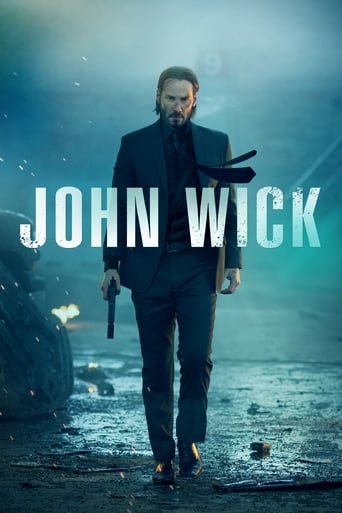
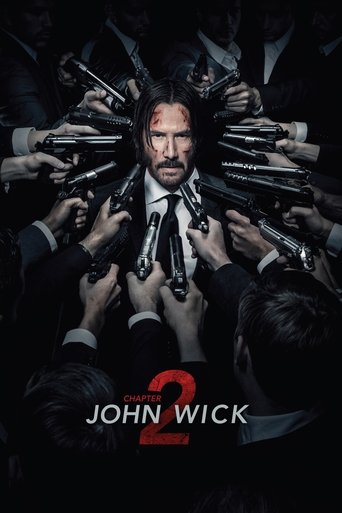
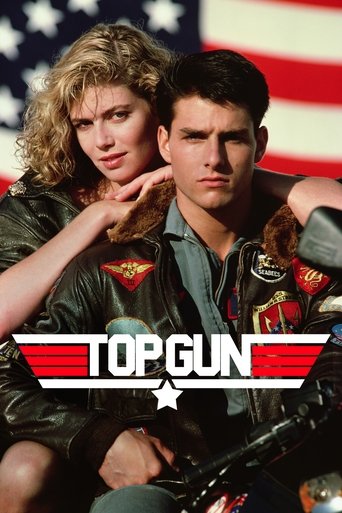
The shelf Action heroes holds seven pairs from 1979 to 2022. Its most voted film is John Wick, of 2014, by Chad Stahelski, with Keanu Reeves as a retired assassin who returns to the trade after the death of his dog, rated 7.5, followed by John Wick: Chapter 2, of 2017, which sends him to Rome, rated 7.3; Reeves appears in four films of the guide, the two John Wicks and the two first Matrix films. Its best rated film is a sequel: Top Gun: Maverick, of 2022, by Joseph Kosinski, rated 8.2, which brought Tom Cruise back as the navy pilot 36 years after Top Gun, of 1986, by Tony Scott, rated 7.1.
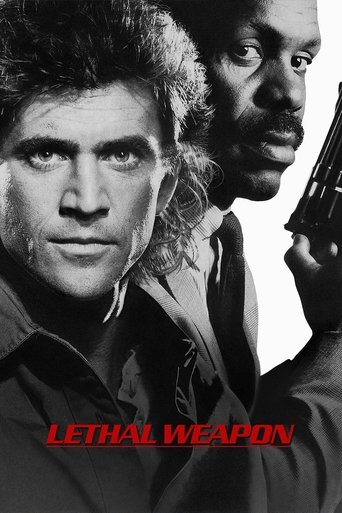
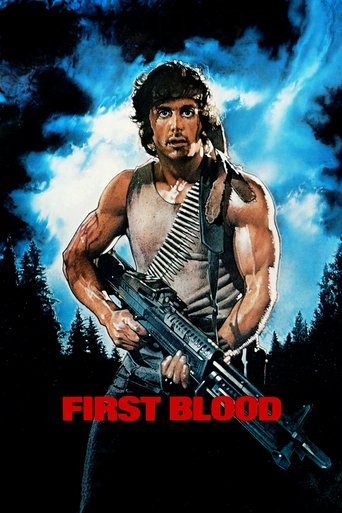
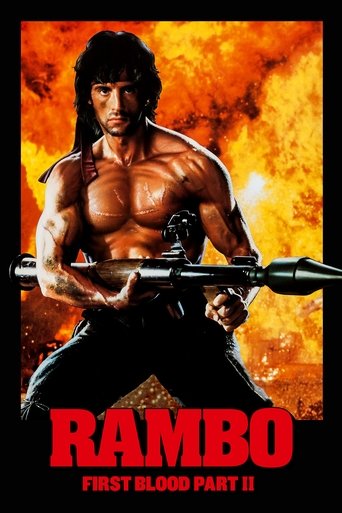
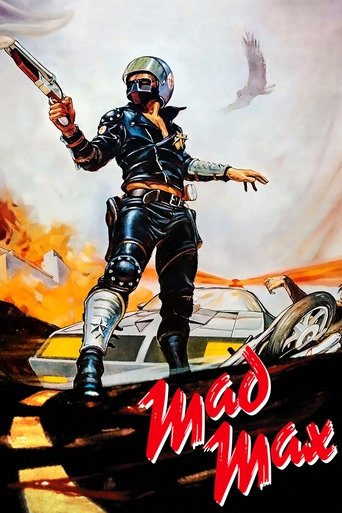
The classics of the 1980s are all here. Die Hard, of 1988, by John McTiernan, with Bruce Willis as a New York policeman trapped in a Los Angeles tower on Christmas Eve and Alan Rickman as the thief who holds it, rated 7.8, and Die Hard 2, of 1990, by Renny Harlin, which repeats the night of Christmas Eve in an airport of Washington; Lethal Weapon, of 1987, by Richard Donner, with Mel Gibson and Danny Glover as the mismatched partners of Los Angeles, and Lethal Weapon 2, of 1989; and First Blood, of 1982, with Sylvester Stallone as John Rambo, a veteran hunted by the police of a small town, rated 7.5, followed by Rambo: First Blood Part II, of 1985, which sends him back to Vietnam. Mel Gibson appears twice more on the shelf, in the Australian Mad Max, of 1979, by George Miller, rated 6.7, and in its sequel Mad Max 2, of 1981, rated 7.4, the desert of road warriors that the whole genre has copied since. Taken, of 2008, with Liam Neeson as a father with a particular set of skills, rated 7.4, and Taken 2, of 2012, set in Istanbul, close the shelf.
Spies, heists and assassins
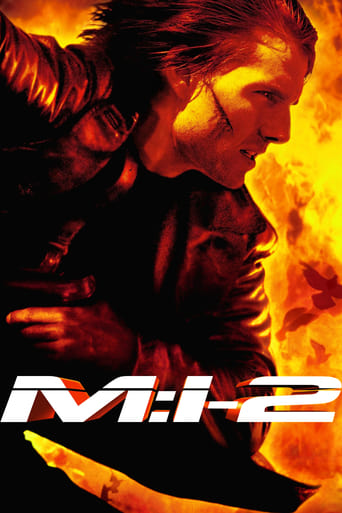
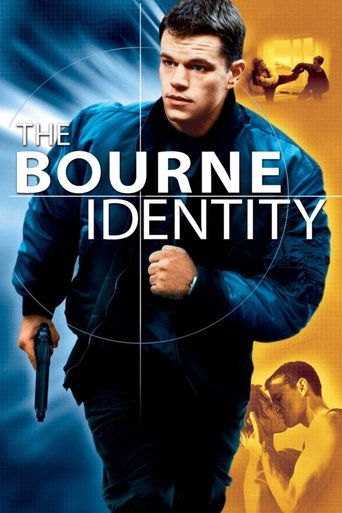
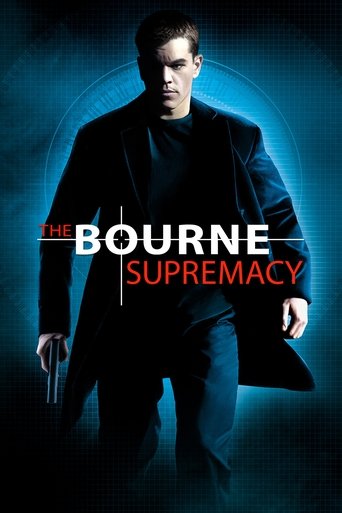
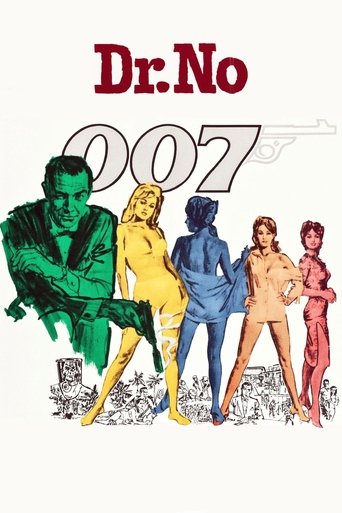
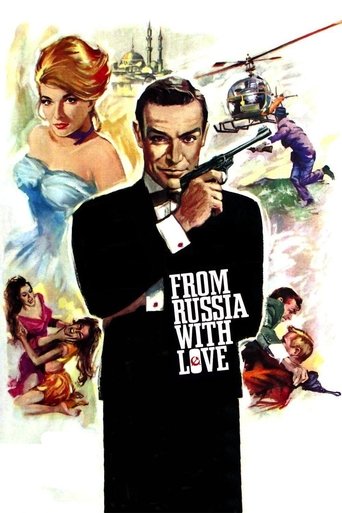
The shelf Spies, heists and assassins holds six pairs from 1962 to 2017. The oldest pair of the guide is here: the first film of James Bond, of 1962, by Terence Young, with Sean Connery and Ursula Andress, rated 7.0, and From Russia with Love, of 1963, by the same director, rated 7.1, a small win for the sequel and the beginning of one of the longest-running series in the history of the cinema. The modern spies are Mission: Impossible, of 1996, by Brian De Palma, with Tom Cruise as Ethan Hunt, rated 7.0, and Mission: Impossible II, of 2000, by John Woo, the lowest rated film of the shelf, with a 6.1; and The Bourne Identity, of 2002, by Doug Liman, with Matt Damon as an agent who has lost his memory, rated 7.5, and The Bourne Supremacy, of 2004, by Paul Greengrass, rated 7.3.
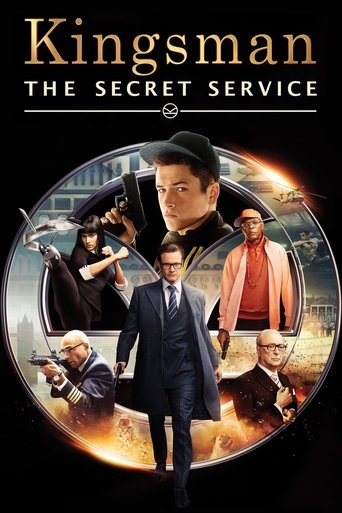
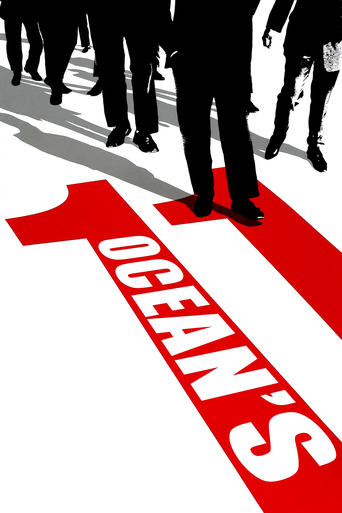
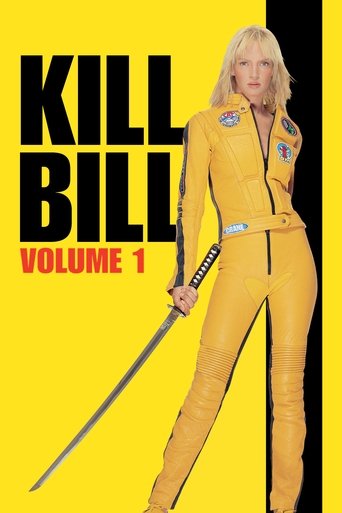
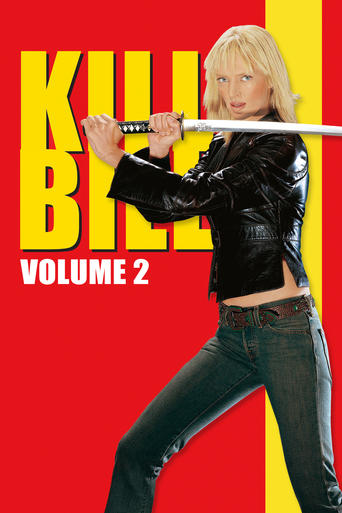
The heists and the assassins complete the shelf. Ocean's Eleven, of 2001, by Steven Soderbergh, with George Clooney and Brad Pitt planning to rob three casinos of Las Vegas in one night, rated 7.5, and Ocean's Twelve, of 2004, which takes the crew to Europe; Matt Damon appears in both, as in both Bourne films, four films of the guide in all. Kingsman: The Secret Service, of 2015, by Matthew Vaughn, with Taron Egerton as a young recruit of a secret service of tailors and Colin Firth as his mentor, rated 7.6, and Kingsman: The Golden Circle, of 2017. The most voted and best rated pair of the shelf is a single film cut in two: Kill Bill: Vol. 1, of 2003, by Quentin Tarantino, with Uma Thurman as the Bride on her path of revenge, rated 8.0, and Kill Bill: Vol. 2, of 2004, rated 7.9.
Fighters and champions
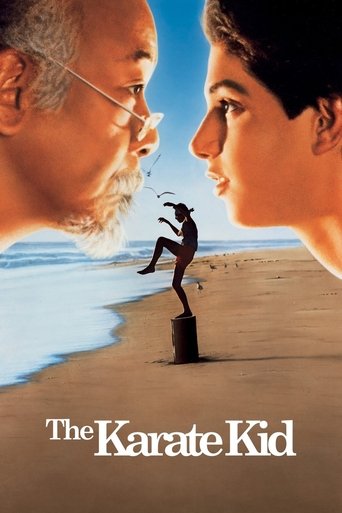
The shelf Fighters and champions holds six pairs from 1976 to 2024, and it is the most international shelf of the guide, with two pairs in other languages than English. Rocky, of 1976, by John G. Avildsen, written by and starring Sylvester Stallone as a small-time boxer of Philadelphia who gets a shot at the title, won the Academy Award for best picture, rated 7.8; Rocky II, of 1979, directed by Stallone himself, gave him the rematch, rated 7.3. Almost forty years later the story continued with Creed, of 2015, by Ryan Coogler, with Michael B. Jordan as the son of Apollo Creed and Stallone as his trainer, rated 7.4, and Creed II, of 2018, rated 7.0, in which Adonis faces the son of Ivan Drago. Stallone appears in six films of the guide, the four of Rocky and Creed and the two first Rambo films. Avildsen also directed The Karate Kid, of 1984, with Ralph Macchio and Pat Morita as Mr. Miyagi, rated 7.2, and The Karate Kid Part II, of 1986, set in Okinawa, rated 6.4.
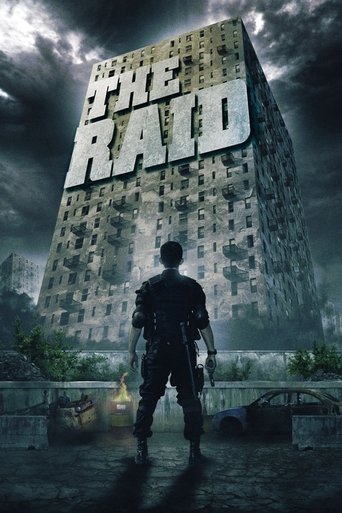
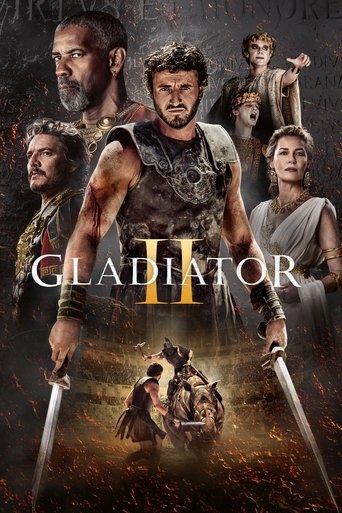
The martial arts come from Asia. Ip Man, of 2008, by Wilson Yip, with Donnie Yen as the master of wing chun who later taught Bruce Lee, set in Foshan during the Japanese occupation, rated 7.8, and Ip Man 2, of 2010, which moves him to Hong Kong and sets him against a boxing champion, with Sammo Hung, rated 7.5, are in Cantonese; The Raid, of 2012, by Gareth Evans, with Iko Uwais as a police officer fighting floor by floor through a tower block of Jakarta, rated 7.4, and The Raid 2, of 2014, a 150-minute crime saga that beats the first, rated 7.6, are in Indonesian. The most voted pair is the arena of Rome: Gladiator, of 2000, by Ridley Scott, with Russell Crowe as the general Maximus sold into slavery, the winner of the Academy Award for best picture, rated 8.2, the best rated film of the shelf, and Gladiator II, of 2024, made 24 years later with Paul Mescal and Denzel Washington, rated 6.6, one of the largest falls of the guide.
Fear
The fourth family, Fear, gathers fourteen pairs of horror films, 28 films in all, with about 219,000 votes and an average of 6.94, the lowest of the five families. Horror has always been the genre of the sequel: a killer who keeps coming back, a demon who returns, a house that keeps its ghosts, and the budgets are small enough that a hit almost always earns a second film within two or three years. The guide Fear sums up the family.
Ghosts and demons
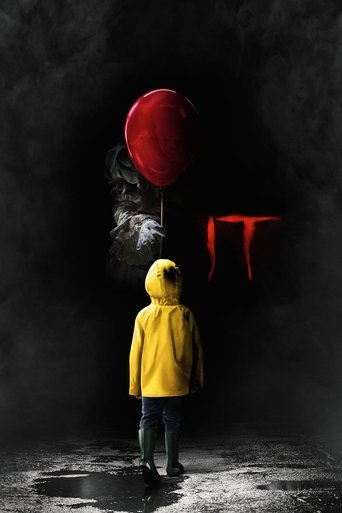
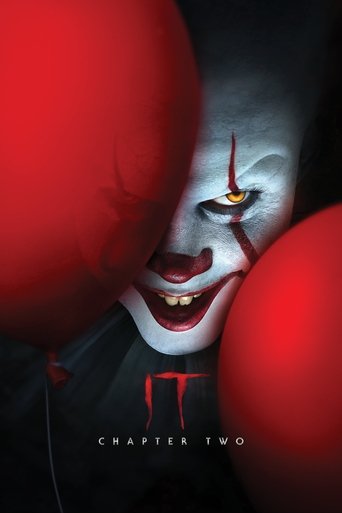
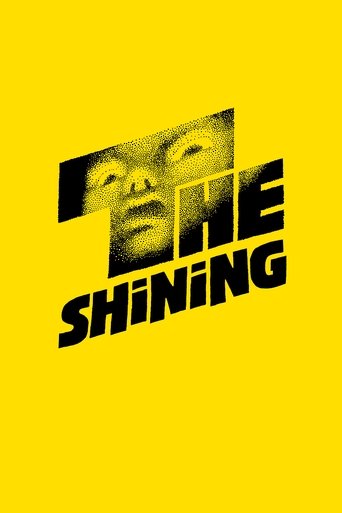
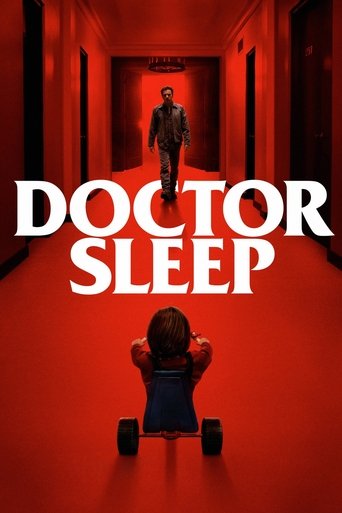
The shelf Ghosts and demons holds seven pairs from 1973 to 2019 about the supernatural. Its best rated film is The Shining, of 1980, by Stanley Kubrick, with Jack Nicholson as the winter caretaker of the Overlook Hotel, rated 8.2, and its sequel, Doctor Sleep, of 2019, by Mike Flanagan, with Ewan McGregor as the grown-up Danny Torrance, rated 7.1, came 39 years later, the longest wait between two films of the guide. The most voted pair is It, of 2017, by Andy Muschietti, about a group of children who face the clown Pennywise in a small town of Maine, rated 7.2, and It Chapter Two, of 2019, in which they return as adults, with Jessica Chastain and James McAvoy; at 169 minutes it is the longest horror film of the guide.
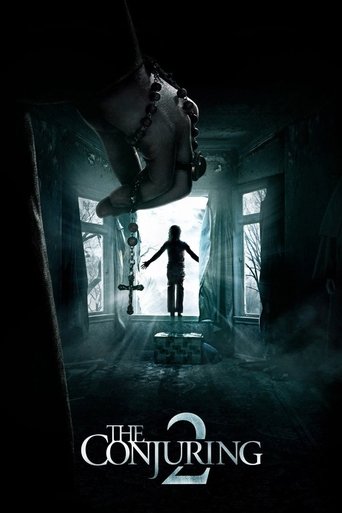
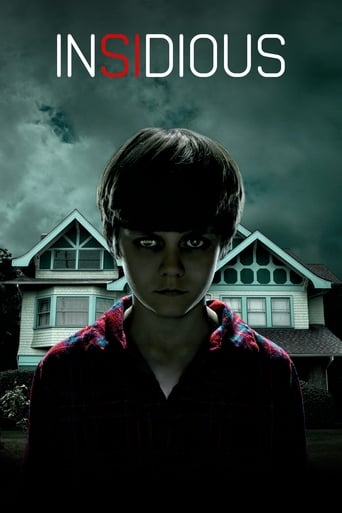
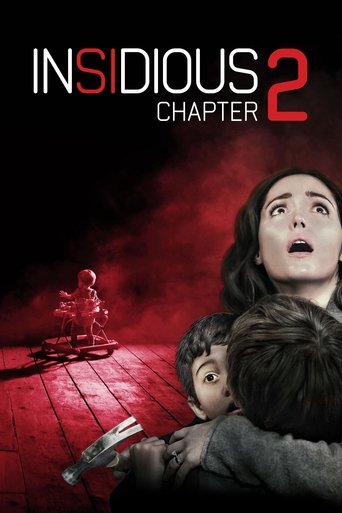
James Wan is the master of the shelf, with four of its films: The Conjuring, of 2013, with Vera Farmiga and Patrick Wilson as the investigators of the paranormal Ed and Lorraine Warren, rated 7.5, and The Conjuring 2, of 2016, which takes them to a haunted house in the London suburb of Enfield; Insidious, of 2011, with Patrick Wilson and Rose Byrne as parents whose son falls into a mysterious coma, and Insidious: Chapter 2, of 2013. Wan directed a fifth film of the guide, Saw, on the next shelf, and Patrick Wilson appears in all four of his films here. The doll of The Conjuring has its own pair, Annabelle, of 2014, rated 5.8, and Annabelle: Creation, of 2017, by David F. Sandberg, a story set years earlier that beats it by eight tenths.
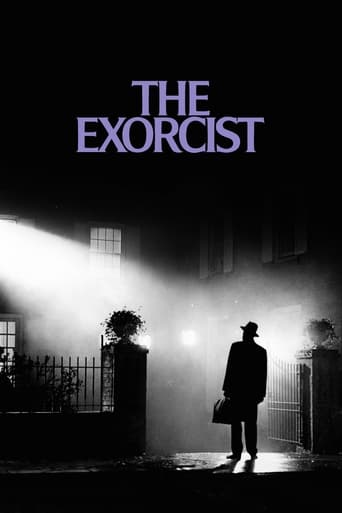
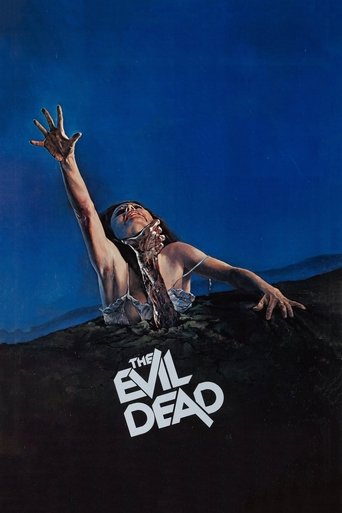
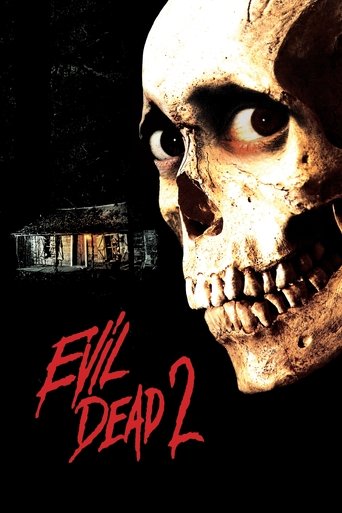
The oldest pair of the shelf holds the largest fall of the guide. The Exorcist, of 1973, by William Friedkin, with Ellen Burstyn and Linda Blair as a girl possessed by a demon, rated 7.7, remains one of the most frightening films ever made; Exorcist II: The Heretic, of 1977, by John Boorman, with Richard Burton, rated 4.5, is the lowest rated film of the guide. The reverse happened with The Evil Dead, by Sam Raimi, released in 1983, with Bruce Campbell as Ash, rated 7.3, a cabin in the woods and a book of the dead: its sequel Evil Dead II, of 1987, rated 7.5, remade the same story as a wild horror comedy and beat it. At 84 and 85 minutes, the two are among the shortest films of the guide.
Slashers and survivors
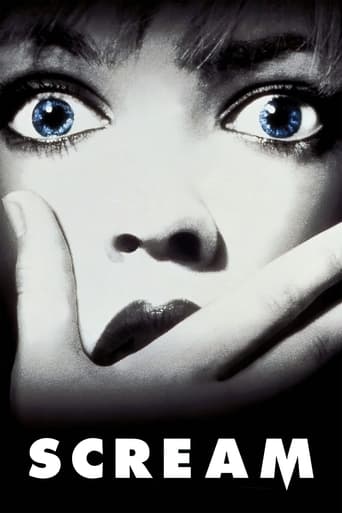
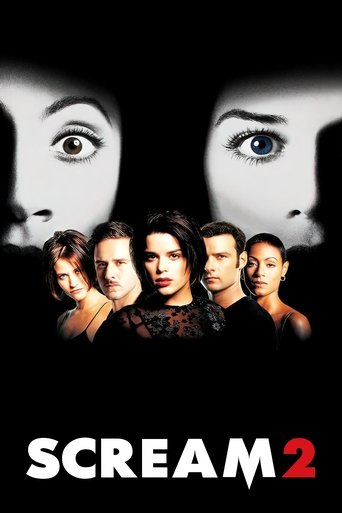
The shelf Slashers and survivors holds seven pairs from 1978 to 2021 about killers, monsters and the people who outlast them. The two founding slashers are here. Halloween, of 1978, by John Carpenter, with Jamie Lee Curtis as the babysitter Laurie Strode and Donald Pleasence as the psychiatrist who hunts Michael Myers, rated 7.6, the best rated film of the shelf, and Halloween II, of 1981, which continues the same night in a hospital; A Nightmare on Elm Street, of 1984, by Wes Craven, with Heather Langenkamp and a young Johnny Depp in his first film role, rated 7.4, in which Freddy Krueger kills teenagers in their dreams, and A Nightmare on Elm Street Part 2: Freddy's Revenge, of 1985, rated 5.8. Twelve years later Craven reinvented the genre with Scream, of 1996, with Neve Campbell, a slasher whose characters know all the rules of slashers, rated 7.4, and Scream 2, of 1997, set on a college campus where a film about the first murders is playing.
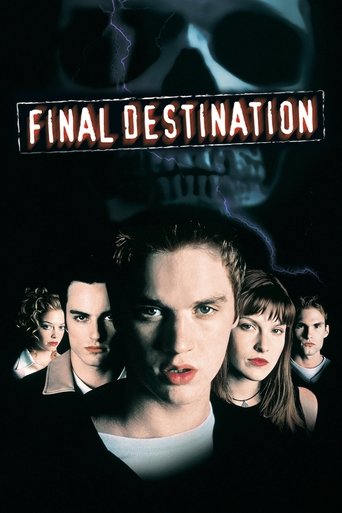
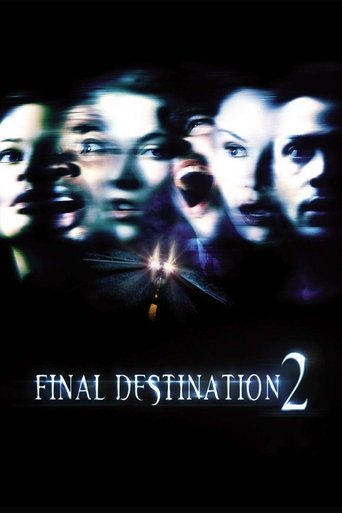
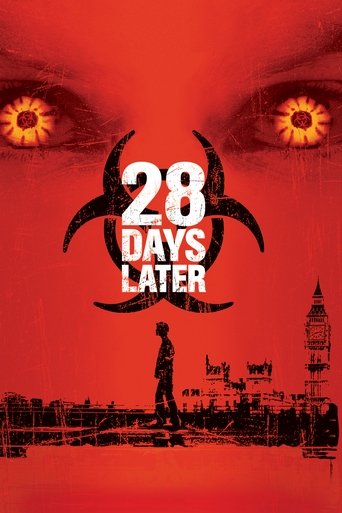
The new century brought new kinds of terror. Saw, of 2004, by James Wan, rated 7.4, traps two men in a filthy bathroom to play the game of the Jigsaw killer, and Saw II, of 2005, traps eight more in a house; Final Destination, of 2000, rated 6.6, and Final Destination 2, of 2003, make death itself the killer, hunting the survivors of an accident one by one; 28 Days Later, of 2002, by Danny Boyle, with Cillian Murphy waking up in a deserted London after a virus of rage, rated 7.2, and 28 Weeks Later, of 2007, with Robert Carlyle. The most voted pair of the shelf is A Quiet Place, of 2018, by and with John Krasinski, with Emily Blunt, a family surviving in silence among creatures that hunt by sound, rated 7.4, and A Quiet Place Part II, of 2021, which ties it at 7.4.
Laughs
The last family, Laughs, gathers fourteen pairs, 28 films, of comedies and animated films, with about 317,000 votes and an average of 7.33. The two shelves show two very different fortunes: the live-action comedies rarely survive the sequel, while the animated films of the 21st century often match their originals and sometimes beat them. The guide Laughs sums up the family.
Comedy doubles
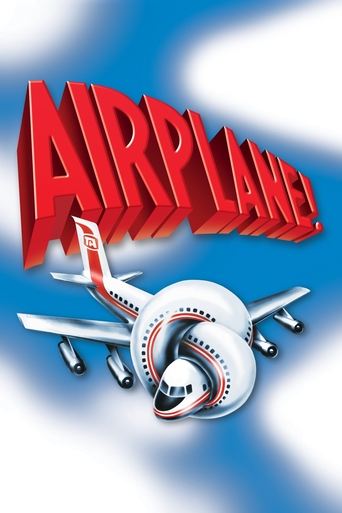
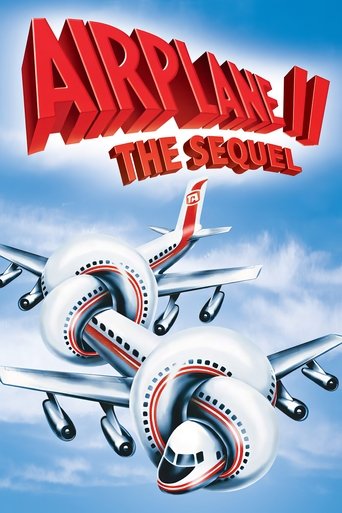
The shelf Comedy doubles holds seven pairs from 1980 to 2019, and with an average of 6.91 it is the lowest rated shelf of the guide: in every one of its pairs the first film wins. The parodies of the Zucker brothers and Jim Abrahams open it: Airplane!, of 1980, with Robert Hays, Julie Hagerty and Leslie Nielsen, a parody of the disaster films of the 1970s, rated 7.3, and Airplane II: The Sequel, of 1982, made by another director, rated 6.1; The Naked Gun: From the Files of Police Squad!, of 1988, by David Zucker, with Leslie Nielsen as the clumsy detective Frank Drebin, rated 7.3, and The Naked Gun 2½: The Smell of Fear, of 1991, rated 6.8.
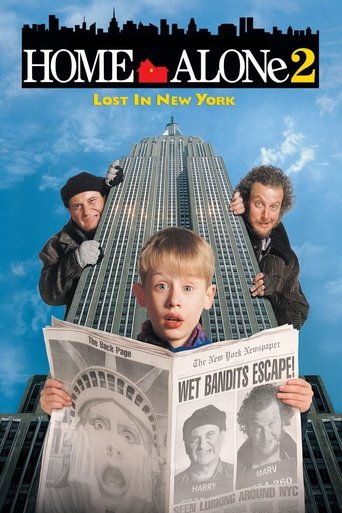
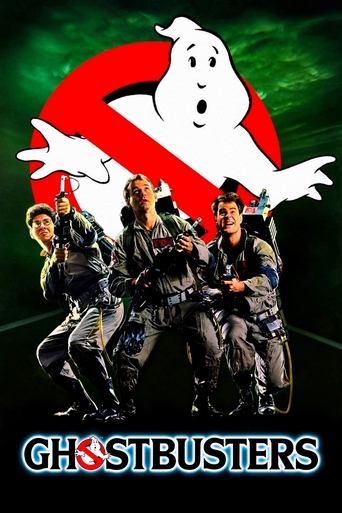
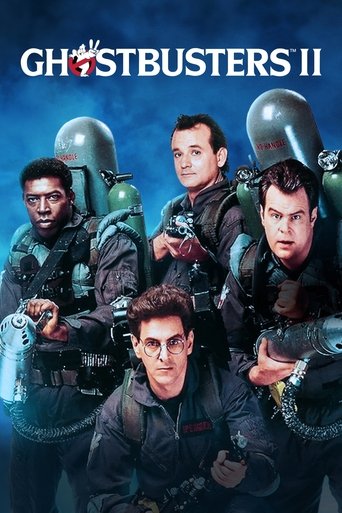
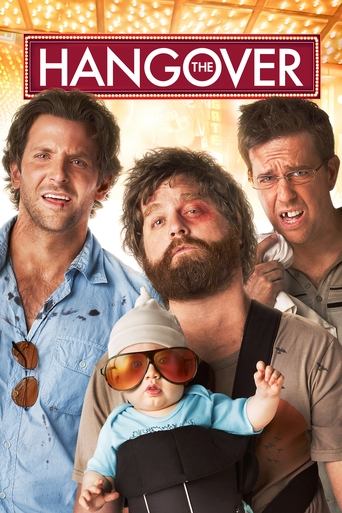
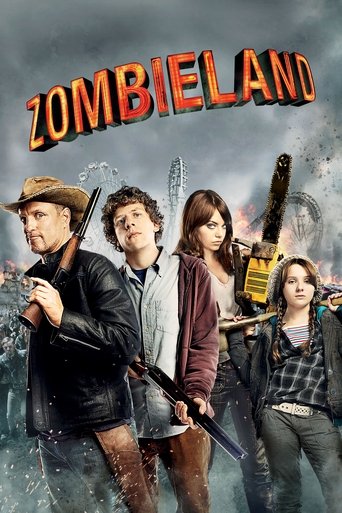
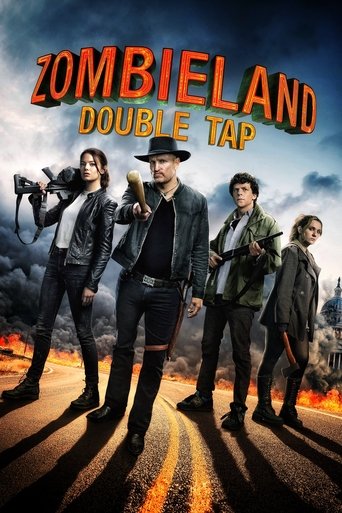
The family comedies of the shelf are Home Alone, of 1990, by Chris Columbus, with Macaulay Culkin as a boy left behind at Christmas who defends the house against two burglars, rated 7.5, and Home Alone 2: Lost in New York, of 1992, which repeats the plan in New York, and Ghostbusters, of 1984, by Ivan Reitman, with Bill Murray, Dan Aykroyd and Sigourney Weaver, rated 7.5, and Ghostbusters II, of 1989. The comedies of the 2000s are Meet the Parents, of 2000, with Ben Stiller as a nurse who meets the terrifying father of his fiancée, played by Robert De Niro, and Meet the Fockers, of 2004, with Dustin Hoffman and Barbra Streisand as his own parents; The Hangover, of 2009, by Todd Phillips, the most voted film of the shelf, rated 7.3, a bachelor party in Las Vegas that the friends wake up to find erased from their memories, and The Hangover Part II, of 2011, which moves the same morning after to Bangkok; and Zombieland, of 2009, with Jesse Eisenberg, Woody Harrelson and Emma Stone crossing an America of zombies by a list of rules, rated 7.3, and Zombieland: Double Tap, of 2019, made ten years later with the same cast. Sigourney Weaver appears in the two Ghostbusters and the two first Alien films, four films of the guide.
Animated doubles
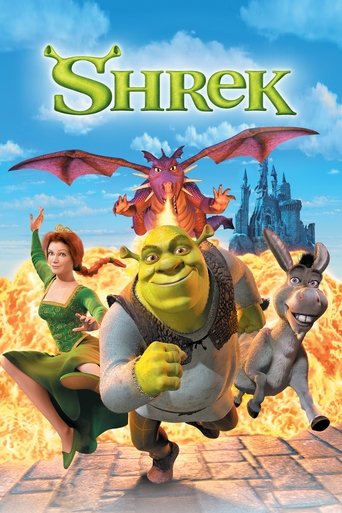
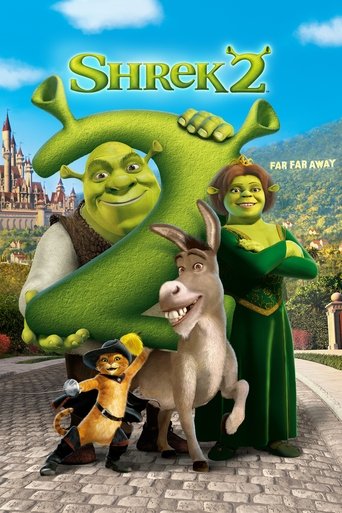
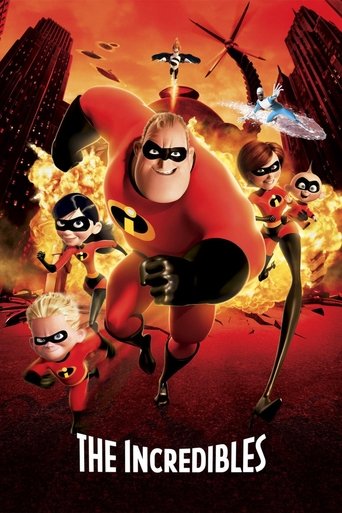
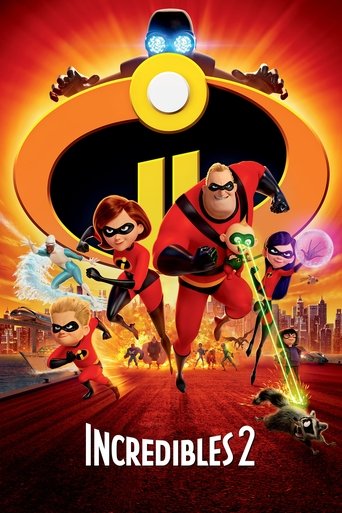
The shelf Animated doubles holds seven pairs from 1995 to 2024, with an average of 7.75, the second best of the guide, and four films rated 8 or more. It begins with Toy Story, of 1995, by John Lasseter, the first feature film made entirely with computer animation, with Tom Hanks as Woody and Tim Allen as Buzz Lightyear, rated 8.0; at 81 minutes it is the shortest film of the guide, and Toy Story 2, of 1999, rated 7.6, is one of the few animated sequels of its time made for the cinema. Shrek, of 2001, by Andrew Adamson and Vicky Jenson, with Mike Myers and Eddie Murphy, the first winner of the Academy Award for best animated feature, rated 7.8, and Shrek 2, of 2004, rated 7.3; The Incredibles, of 2004, by Brad Bird, a family of superheroes in hiding, rated 7.7, and Incredibles 2, of 2018, which picks up the story at the very moment the first film ended, fourteen years later.
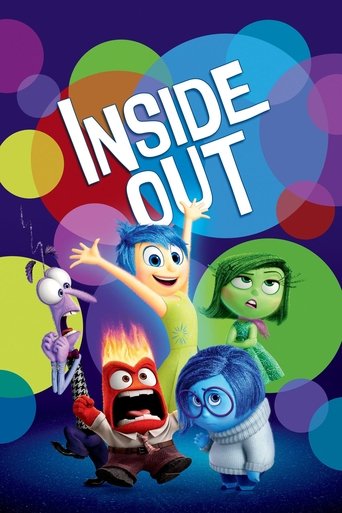
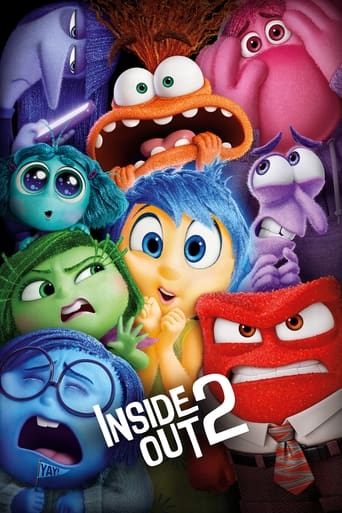
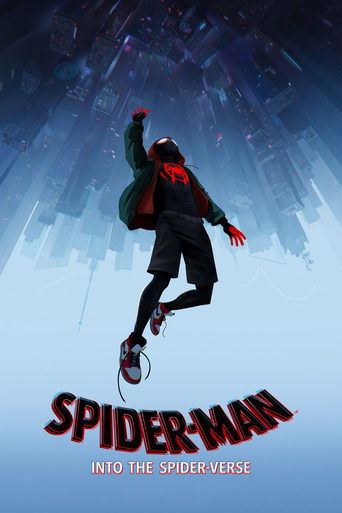
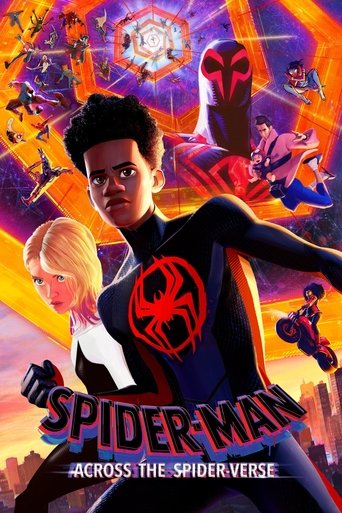
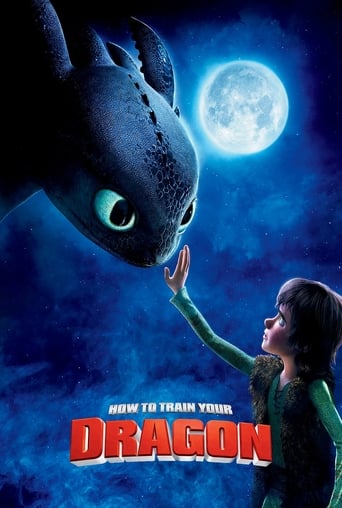
The most voted pair is Inside Out, of 2015, by Pete Docter, the emotions of a girl of eleven, Joy, Sadness, Anger, Fear and Disgust, rated 7.9, and Inside Out 2, of 2024, which adds Anxiety and her friends when the girl turns thirteen, rated 7.5. The best rated pair is Spider-Man: Into the Spider-Verse, of 2018, with Shameik Moore as the teenager Miles Morales, rated 8.4, the winner of the Academy Award for best animated feature, and Spider-Man: Across the Spider-Verse, of 2023, which ties it at 8.4; at 140 minutes it is the longest animated film of the guide. How to Train Your Dragon, of 2010, with Jay Baruchel as the young Viking Hiccup and his dragon Toothless, rated 7.9, and How to Train Your Dragon 2, of 2014, by Dean DeBlois, rated 7.7. And the shelf holds the biggest win of a sequel in the whole guide: Puss in Boots, of 2011, the spin-off of Shrek with Antonio Banderas and Salma Hayek, rated 6.6, was followed eleven years later by Puss in Boots: The Last Wish, of 2022, rated 8.2, in which the cat, down to the last of his nine lives, is hunted by Death himself.
The long waits
Most sequels of the guide arrived quickly. The median gap between a first film and its sequel is three years; 58 of the 81 sequels arrived two to four years after the original, and eight arrived the very next year, among them the second film of The Lord of the Rings, of Harry Potter and of The Hobbit, which were planned and shot together, the second volume of Kill Bill, cut from the same film, and the quick follow-ups of Scream, Saw and A Nightmare on Elm Street, made while the audience still remembered the first. The second James Bond film also arrived a year after the first, in 1963.
Ten sequels took nine years or more, and they are some of the strangest pairs of the guide. Doctor Sleep came 39 years after The Shining, Top Gun: Maverick 36 years after Top Gun and Blade Runner 2049 35 years after Blade Runner; Twisters followed Twister by 28 years, Gladiator II followed Gladiator by 24, and Jumanji: Welcome to the Jungle followed Jumanji by 22. The shorter long waits are those of Incredibles 2, fourteen years; Puss in Boots: The Last Wish, eleven; Zombieland: Double Tap, ten, and Inside Out 2, nine. A long wait is a risk, since the audience has grown up and the world of the film has aged, but it also gives a sequel the chance to speak about time itself, and the two best results of the long waits, Maverick and The Last Wish, are both films about a hero who has grown older. The guide The long waits lists every gap.
The directors
In 52 of the 81 pairs, the same director made both films, a sign of how often the studios trust the maker of a hit with its continuation. James Wan directed five films of the guide, the two Conjuring films, the two Insidious films and Saw; Steven Spielberg directed four, the two Indiana Jones and the two Jurassic Park films; Peter Jackson four, of The Lord of the Rings and The Hobbit; Chris Columbus four, of Harry Potter and Home Alone; Andrew Adamson four, of Narnia and Shrek; Sam Raimi four, of Spider-Man and The Evil Dead, and Ridley Scott four, Alien, Blade Runner and the two Gladiator films. James Cameron directed three, Aliens and the two Terminator films; Denis Villeneuve three, the two Dune films and Blade Runner 2049; Ryan Coogler three, the two Black Panther films and Creed; John G. Avildsen three, Rocky and the two Karate Kid films, and Wes Craven three, A Nightmare on Elm Street and the two Scream films. The guide The directors lists them all.
The stars
The actors who appear most often are the faces of the great series. Harrison Ford, Ian McKellen and Sylvester Stallone appear in six films each: Ford in Star Wars, Indiana Jones and Blade Runner; McKellen as Gandalf in four films of Middle-earth and as Magneto in the two first X-Men films, and Stallone in two Rocky, two Creed and two Rambo films. Robert Downey Jr. appears in five; Chris Evans and Chris Hemsworth, Keanu Reeves, Sigourney Weaver, Matt Damon, Tom Cruise, Mel Gibson and Patrick Wilson in four each, and Justin Bartha, a less famous name, also in four, as the friend of the treasure hunter in National Treasure and the groom who goes missing in The Hangover. The guide The stars lists the actors who appear most often.
The decades of the double bill
By decade of release, the guide holds two films of the 1960s, nine of the 1970s, 30 of the 1980s, seventeen of the 1990s, 45 of the 2000s, 49 of the 2010s and ten of the 2020s. The 1980s are the golden age of the sequel in the guide, with The Empire Strikes Back, Aliens, Back to the Future Part II, Lethal Weapon 2, Ghostbusters II and many more, and the 2000s and 2010s are the age of the franchise, when the studios began to plan sequels before the first film was released. The collection Before 1990 gathers the 41 oldest films, from the first James Bond film of 1962 to the last films of the 1980s, in order of release.
Soap2DayX2 in figures
The 162 films of the guide carry about 2,022,000 votes on TMDB, with an average rating of 7.28. Twenty-one films reach 8 or more, gathered in the collection Rated 8 or more, best first, from The Dark Knight, with an 8.5, to Toy Story, Kill Bill: Vol. 1, Jurassic Park and Aliens, with an 8.0 each; twelve of them are first films and nine are sequels. The most voted films are The Avengers, with about 40,000 votes, The Dark Knight, Deadpool, Guardians of the Galaxy, Harry Potter and the Philosopher's Stone and Iron Man. Together the films last 19,354 minutes, more than 322 hours, which makes 81 double bills of about four hours each; the longest are the two first films of The Lord of the Rings, with 179 minutes each, and the shortest is Toy Story, with 81. The guide The figures gathers every number.
Where to begin
For a first double bill, choose one pair from each family. From Capes, try Batman Begins and The Dark Knight, the pair in which the sequel became the most praised superhero film of its time. From Big worlds, try Star Wars and The Empire Strikes Back, or Alien and Aliens, two pairs in which the sequel is as famous as the original. From Action, try Mad Max and Mad Max 2, a small film and the giant it became. From Fear, try The Evil Dead and Evil Dead II, the same story told twice, first as a nightmare and then as a joke. And from Laughs, try Puss in Boots and The Last Wish, the biggest win of the guide. The guide Start with Soap2DayX2 gives one pick from each shelf.
How to use Soap2DayX2
The home page opens with the introduction and, on the right, the Double bill, the board of the twelve shelves. Each box shows the family in mint with its number, the name of the shelf and its number of films, and leads to its row on the same page; on a phone the board moves above the rows. Each row has a mint heading, a line of posters, the first film of each pair followed by its sequel, and a green View all button that opens the full shelf. The menu in the header leads to the five families, and the search box finds any film by its title; the guide Search tips explains how.
Each poster carries the year and the TMDB rating and, in a dark band at the bottom, the words First film or Sequel; under the poster come the first genre and the running time. The page of each film has the English synopsis, the cast, the director and the genres. The Watch now button opens the film on JustWatch, which shows the services that offer it in your country, and the button Add to My List keeps it in My list, stored in your browser. The guide How to use Soap2DayX2 explains each part, and the guide The Watch now button explains how JustWatch works.
Questions
What is Soap2DayX2
An English guide to 81 first films and their sequels, 162 films on twelve shelves in five families.
How were the pairs chosen
From the TMDB collections of the 1,500 most voted films: the first two films of each collection by release date, picked by hand.
How often does the sequel win
In sixteen of the 81 pairs; the first film wins in 61, and four pairs tie.
Which sequel wins by the most
Puss in Boots: The Last Wish, rated 8.2 against 6.6 for the first film.
Which sequel falls the furthest
Exorcist II: The Heretic, rated 4.5 against 7.7 for The Exorcist.
Which film is the best rated
The Dark Knight, with an 8.5.
Which film has the most votes
The Avengers, with about 40,000 votes on TMDB.
Which pair waited the longest
The Shining and Doctor Sleep, 39 years apart.
Where can I watch the films
The Watch now button opens each film on JustWatch, which shows the services that offer it in your country.
Where is My list kept
In your browser, on the device where you create it.
